
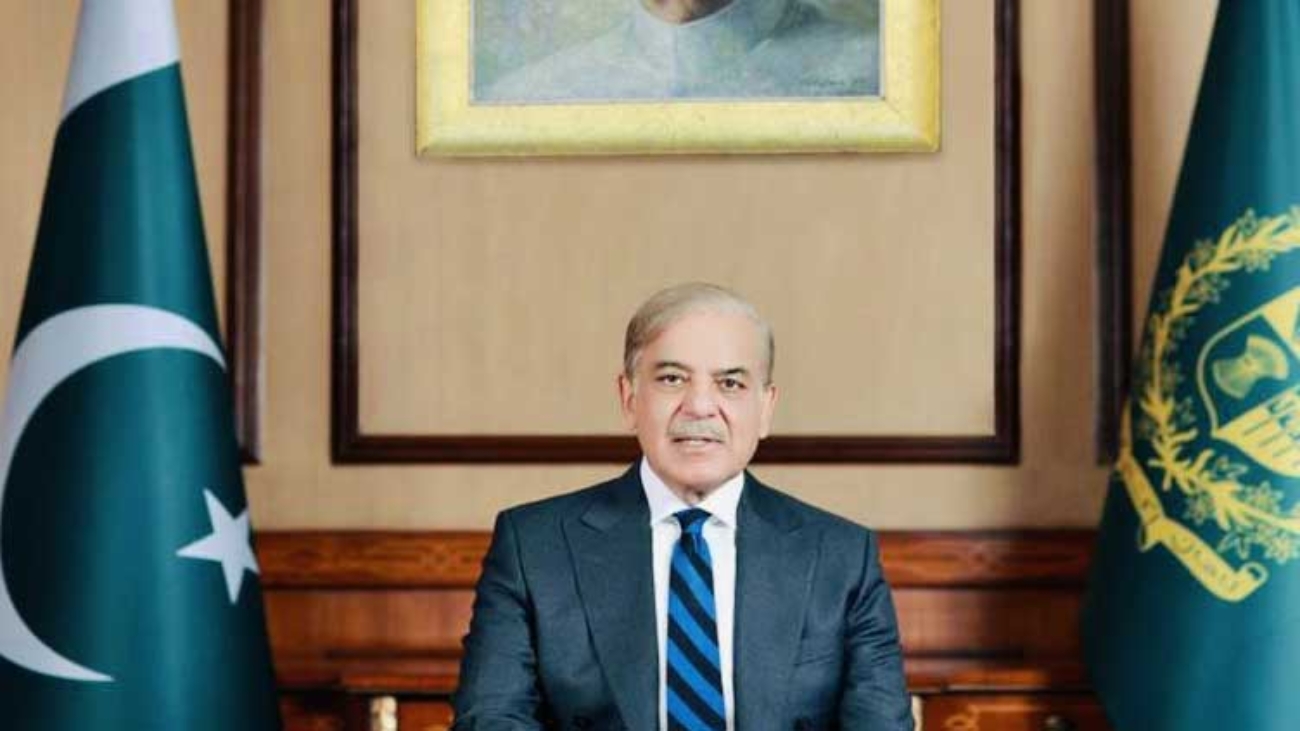
Pakistan PM Rejects Tax Target Revision, Reaffirms Commitment to Reform Timeline
August 5, 2025
In a bold move signaling fiscal resolve, Prime Minister Muhammad Shehbaz Sharif has ruled out any revision to Pakistan’s ambitious tax collection target set for the fiscal year 2025-26, despite rising economic and political pressure. The PM’s announcement comes as part of a broader effort to reaffirm Pakistan’s commitment to structural reforms under its agreement with the International Monetary Fund (IMF).
No Backing Down from Tax Collection Goals
Speaking at a high-level economic briefing, the Prime Minister made it clear that the government will not scale back from the tax collection target of PKR 13 trillion, which was set in line with the recently approved federal budget. He emphasized that these targets are essential for reducing the fiscal deficit, managing rising debt, and creating fiscal space for development spending.
“We are not only sticking to the tax target—we are accelerating our reforms. There is no room for complacency,” the PM said.
The Federal Board of Revenue (FBR) has already initiated a series of aggressive steps, including expansion of the tax net, digitization of tax processes, and stricter enforcement against non-filers and tax evaders.
IMF Agreement at the Core
Pakistan is currently under a $7 billion IMF Extended Fund Facility (EFF) program, which hinges on the country’s ability to meet strict fiscal and structural benchmarks. These include tax-to-GDP ratio improvements, energy sector reforms, and reductions in circular debt.
The IMF has insisted on widening the tax base, eliminating exemptions, and increasing tax compliance. Any deviation from these reforms could jeopardize the inflow of critical funds from multilateral donors and lenders, especially at a time when Pakistan is struggling to stabilize its balance of payments.
Reform Timeline Reaffirmed
The Prime Minister also reaffirmed the government’s commitment to a strict reform timeline. Key milestones over the next 12 months include:
-
Implementation of track-and-trace systems in all major sectors
-
Rolling out electronic invoicing systems for retailers
-
Gradual phasing out of untargeted subsidies
-
Strengthening of fiscal federalism through better coordination with provinces
According to Finance Ministry sources, several laws are also being drafted to tighten tax enforcement, make documentation of the economy mandatory, and penalize large-scale tax evasion.
Business Community Reacts
The business community has shown mixed reactions. While some applaud the government’s focus on long-term sustainability, others express concern over the short-term impact on businesses already burdened by inflation and energy costs.
The Federation of Pakistan Chambers of Commerce and Industry (FPCCI) has urged the government to couple its tax drive with facilitation measures, especially for small and medium enterprises (SMEs).
“We support reform but want the government to ensure that compliance is easy, transparent, and fair,” said an FPCCI spokesperson.
A Delicate Balancing Act
With inflation still hovering above 18% and foreign exchange reserves under pressure, the road ahead is challenging. But the Prime Minister’s latest statement indicates that the government is willing to make tough decisions now in hopes of building long-term macroeconomic stability.
The next quarterly IMF review, scheduled for October 2025, will be a critical litmus test for the government’s fiscal performance and reform implementation.