712815_9171977_fbr_akhbar

FBR and PRAL Pledge Smooth Transition to Next-Gen Tax Services

ISLAMABAD: The Federal Board of Revenue (FBR) and Pakistan Revenue Automation (Pvt.) Limited (PRAL) have reaffirmed their commitment to providing uninterrupted tax administration and advanced digital services for taxpayers across the country.

As part of FBR’s ongoing digital transformation strategy, it has been decided to restructure PRAL into a modern, state-of-the-art organization. The upgraded entity will offer enhanced functionality, greater financial autonomy, and cutting-edge technological solutions, ensuring a world-class experience for both FBR and taxpayers.

FBR emphasized that PRAL’s current operations will continue without any disruption during the transition period. All existing systems, services, and support channels will remain fully functional, guaranteeing smooth service delivery to stakeholders.

The transformation will be implemented gradually and in a well-coordinated manner, maintaining stability for employees, users, and customers at every stage.

Acknowledging the dedication and expertise of the PRAL team, FBR stated that their role will be pivotal in shaping the next phase of Pakistan’s digital tax infrastructure—an infrastructure designed to meet global best practices and ensure the country’s tax systems remain secure, efficient, and future-ready.

742688_63291847

Pakistan PM Rejects Tax Target Revision, Reaffirms Commitment to Reform Timeline

Pakistan PM Rejects Tax Target Revision, Reaffirms Commitment to Reform Timeline

August 5, 2025

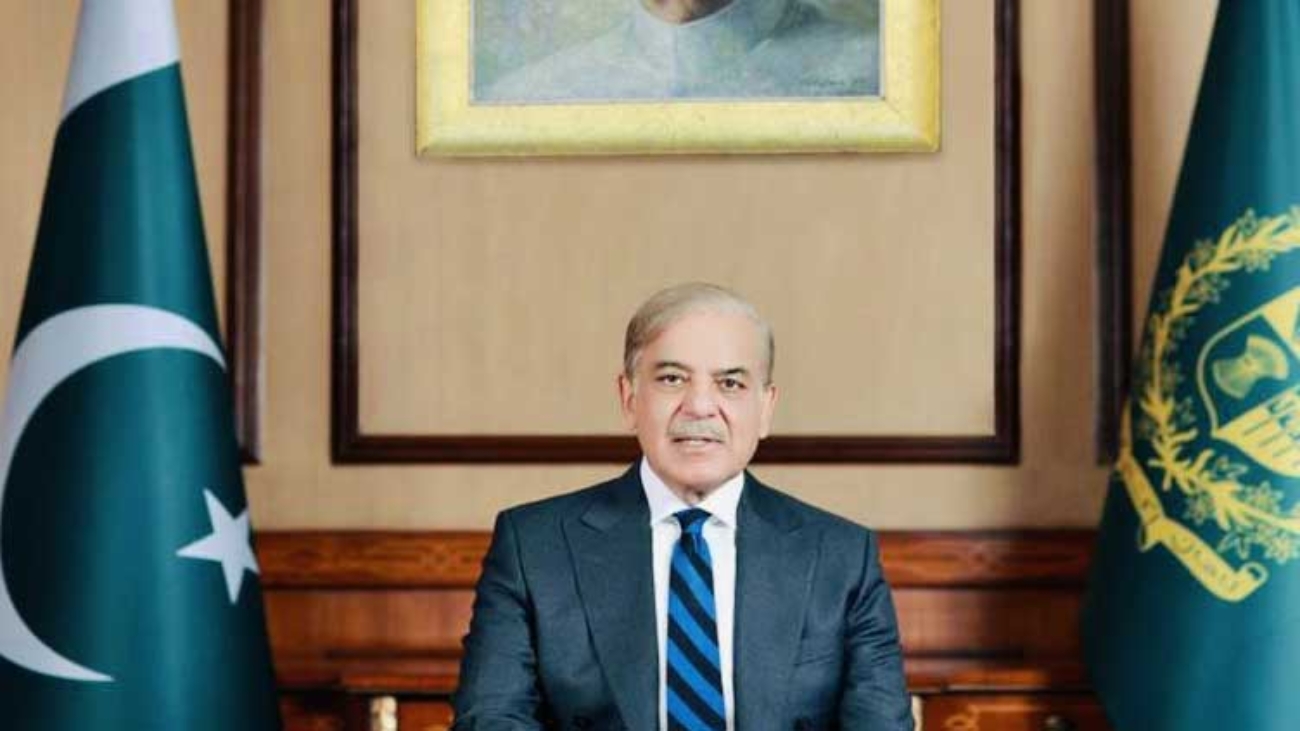
In a bold move signaling fiscal resolve, Prime Minister Muhammad Shehbaz Sharif has ruled out any revision to Pakistan’s ambitious tax collection target set for the fiscal year 2025-26, despite rising economic and political pressure. The PM’s announcement comes as part of a broader effort to reaffirm Pakistan’s commitment to structural reforms under its agreement with the International Monetary Fund (IMF).

No Backing Down from Tax Collection Goals

Speaking at a high-level economic briefing, the Prime Minister made it clear that the government will not scale back from the tax collection target of PKR 13 trillion, which was set in line with the recently approved federal budget. He emphasized that these targets are essential for reducing the fiscal deficit, managing rising debt, and creating fiscal space for development spending.

“We are not only sticking to the tax target—we are accelerating our reforms. There is no room for complacency,” the PM said.

The Federal Board of Revenue (FBR) has already initiated a series of aggressive steps, including expansion of the tax net, digitization of tax processes, and stricter enforcement against non-filers and tax evaders.

IMF Agreement at the Core

Pakistan is currently under a $7 billion IMF Extended Fund Facility (EFF) program, which hinges on the country’s ability to meet strict fiscal and structural benchmarks. These include tax-to-GDP ratio improvements, energy sector reforms, and reductions in circular debt.

The IMF has insisted on widening the tax base, eliminating exemptions, and increasing tax compliance. Any deviation from these reforms could jeopardize the inflow of critical funds from multilateral donors and lenders, especially at a time when Pakistan is struggling to stabilize its balance of payments.

Reform Timeline Reaffirmed

The Prime Minister also reaffirmed the government’s commitment to a strict reform timeline. Key milestones over the next 12 months include:

  • Implementation of track-and-trace systems in all major sectors

  • Rolling out electronic invoicing systems for retailers

  • Gradual phasing out of untargeted subsidies

  • Strengthening of fiscal federalism through better coordination with provinces

According to Finance Ministry sources, several laws are also being drafted to tighten tax enforcement, make documentation of the economy mandatory, and penalize large-scale tax evasion.

Business Community Reacts

The business community has shown mixed reactions. While some applaud the government’s focus on long-term sustainability, others express concern over the short-term impact on businesses already burdened by inflation and energy costs.

The Federation of Pakistan Chambers of Commerce and Industry (FPCCI) has urged the government to couple its tax drive with facilitation measures, especially for small and medium enterprises (SMEs).

“We support reform but want the government to ensure that compliance is easy, transparent, and fair,” said an FPCCI spokesperson.

A Delicate Balancing Act

With inflation still hovering above 18% and foreign exchange reserves under pressure, the road ahead is challenging. But the Prime Minister’s latest statement indicates that the government is willing to make tough decisions now in hopes of building long-term macroeconomic stability.

The next quarterly IMF review, scheduled for October 2025, will be a critical litmus test for the government’s fiscal performance and reform implementation.

Indias-Electric-Vehicle

Pakistan’s Electric Vehicle Support NEW Policies, Subsidies & Tax Perks

Pakistan’s Electric Vehicle Support NEW Policies, Subsidies & Tax Perks

Pakistan is charging ahead with electric mobility through its National Electric Vehicle (NEV) Policy 2025–30, introducing bold incentives to accelerate EV adoption across the country.

For fiscal year 2025–26, the government has allocated a Rs 9 billion subsidy, covering 116,053 electric motorcycles, 3,171 electric rickshaws, and reserving 25% of subsidies for women buyers. Electric car buyers will also receive Rs 15,000 per kWh of battery capacity, reducing upfront costs significantly.

Tax incentives include just 1% sales tax on locally assembled EVs, zero customs duties on EV parts, and no registration fees or excise duty, making EVs far more affordable for consumers.

To support growing demand, the policy promises 40 charging stations along major motorways, battery swapping stations for two- and three-wheelers, and mandatory EV charging points in new buildings. A 45% reduction in electricity tariffs for EV charging further lowers running costs.

Pakistan is also boosting local manufacturing, with 90% of e-bike parts already made locally and international companies like BYD setting up assembly plants, targeting production by mid-2026.

The NEV Policy aims for 30% EV sales by 2030 and 90% adoption by 2040, potentially saving Rs 800 billion in fuel imports. While challenges remain—like policy clarity on used EV imports—the roadmap signals a strong commitment to a cleaner, more sustainable future.

Digital-Marketing-1

Pakistan’s E-Commerce Sector Faces Strain Under New Digital Tax Rules

Pakistan’s E-Commerce Sector Faces Strain Under New Digital Tax Rules

Pakistan’s e-commerce sector is under pressure following the government’s implementation of new digital taxes introduced in the 2025 federal budget.

The revised policy imposes a 2% digital tax on all online sales, including those made through websites, apps, and marketplaces—regardless of whether transactions are completed via digital payment or cash on delivery (CoD). Additionally, non-tax-filer sellers are now subject to increased withholding tax of 2%, deducted by courier companies and payment gateways.

Small businesses and home-based sellers, especially those relying on CoD, are struggling to absorb the added cost. Industry stakeholders warn this could discourage digital entrepreneurship and hurt job creation.

Meanwhile, the government’s recent rollback of a 5% tax on foreign e-commerce platforms has drawn criticism, with local sellers calling it a move that favors global players over domestic businesses.

E-commerce associations are urging the government to review the tax structure, simplify compliance, and support smaller sellers during the transition.

Despite the challenges, Pakistan’s e-commerce market—valued at over Rs 2.2 trillion—continues to show growth potential. But experts say balanced, inclusive policies are key to ensuring its long-term success.

Fbr

FBR Forms Seven-Member Committee to Resolve Tax Dispute in Gilgit-Baltistan

FBR Forms Seven-Member Committee to Resolve Tax Dispute in Gilgit-Baltistan

GILGIT: The Federal Board of Revenue (FBR) has established a seven-member high-level committee to address the escalating tax dispute in Gilgit-Baltistan (GB), where traders have been protesting for ten consecutive days.

The protest, led by traders involved in Pakistan-China trade via the Khunjerab Pass, is centered at Sost Dry Port. Demonstrators have blocked the Karakoram Highway — the only land route between Pakistan and China — demanding an end to federal taxes on goods imported from China. They argue that these taxes are unfairly imposed on the people of GB, who should be exempt from such levies.

As a result of the sit-in, cross-border trade and travel have been effectively suspended, leaving thousands of travelers stranded, including a significant number of Chinese nationals. The protesters cite the FBR’s alleged discriminatory policies and delays in clearing imported consignments as major causes of concern.

In response, the FBR issued a notification announcing the formation of a committee tasked with reviewing the grievances of GB residents. Specifically, the committee will examine the application of sales tax, income tax, and federal excise duty on goods imported through Khunjerab Pass for consumption within the region.

The committee comprises top FBR officials, including the Member Customs (Operations), Member Inland Revenue (Policy), Director General (R&A), Chief Collector (North), Chief IR (Policy), and the Secretary Finance of Gilgit-Baltistan.

According to the notification, the committee’s key responsibilities include:

  • Assessing the legality and impact of federal taxes on goods consumed in GB

  • Designing a transparent mechanism to implement any applicable tax exemptions

  • Recommending safeguards to prevent misuse of exemptions

  • Identifying relevant HS codes and estimating annual import quantities based on GB’s consumption needs

  • Proposing improved customs clearance processes at Sost Dry Port and enforcement mechanisms at Khunjerab Pass to ensure that exempted goods remain within GB

The committee will also consult with local stakeholders to explore alternatives, such as allowing the GB government to collect duties and taxes. A report with findings and recommendations is expected within seven days.

Meanwhile, the situation on the ground remains tense. Trade has ground to a halt, and passengers — including Chinese citizens attempting to return to Xinjiang via the Khunjerab Pass — remain stranded. Some of these travelers have also joined the protest in Sost, demanding immediate restoration of transport services and resolution of the dispute.

RUPEE-jumbo

FBR Withdraws Tax on Foreign Online Retailers

ISLAMABAD: The Federal Board of Revenue (FBR) has officially suspended the Digital Presence Proceeds Tax effective July 1, 2025, as part of Pakistan’s efforts to finalize a significant trade agreement with the United States.

The decision, announced through an FBR notification on Wednesday, aims to remove the 5% tax previously imposed on goods and services supplied digitally from foreign sellers. The move is seen as a strategic concession to promote smoother trade relations and boost Pakistan’s export potential.

Finance Minister Muhammad Aurangzeb, along with senior government officials, is currently in Washington, D.C., negotiating the final terms of the trade pact. According to sources, the agreement could enhance Pakistan’s export volume by several billion dollars, offering a competitive edge over regional players such as India, Bangladesh, and Vietnam.

READ ALSO: Govt Removes Tax on Platforms Like Temu, SHEIN, AliExpress

The FBR notification clarified that the suspended tax will no longer apply to any digitally ordered goods or services supplied from outside Pakistan that were previously chargeable under the Digital Presence Proceeds Act.

“This notification shall come into force from July 1, 2025,” the document stated, confirming that the tax will be discontinued for the foreseeable future.

This policy reversal has been widely welcomed by e-commerce users and digital trade stakeholders, who had raised concerns over the impact of such taxes on international purchases and small businesses.

In the wake of the announcement, trade through platforms like Temu, SHEIN, and AliExpress is expected to resume with greater ease, benefiting both Pakistani consumers and foreign online retailers.

Meanwhile, travelers and importers have expressed optimism over the broader implications of the trade negotiations, which could open new avenues for economic cooperation and digital commerce.

Abstract image of the logistics, there are container truck, ship in port and airplane

FBR Increases Limit on Deferred Sales Tax Refunds for Exporters Under FASTER System

FBR Increases Limit on Deferred Sales Tax Refunds for Exporters Under FASTER System

By News Desk

The Federal Board of Revenue (FBR) has increased the upper limit for deferred sales tax refunds under the FASTER system, allowing exporters outside the five major export sectors to claim refunds up to 10% of their export value.

According to fresh instructions issued to FBR field formations, the new cap applies to all exporters not falling within the five core export-oriented sectors. The decision follows the issuance of SRO 1507(I)/2024 and is aimed at improving the efficiency and consistency of the refund process.

Previously, refund caps varied between 2% and 8% depending on the nature of the exporters’ finished products. The revised policy now standardizes the limit, enabling broader access to refunds and facilitating ease of doing business for non-core export sectors.

Under the updated mechanism, the maximum allowable refund will be the lesser of two amounts: 10% of the declared export value or the actual input tax incurred on exported goods. This approach is intended to balance facilitation with tax compliance.

The adjustment marks a significant policy shift toward a more transparent and predictable sales tax refund framework for exporters not traditionally prioritized in earlier FBR refund policies.

712815_9171977_fbr_akhbar

FBR Assigns Additional Charge of Member Inland Revenue Operations Post

FBR Assigns Additional Charge of Member Inland Revenue Operations Post

July 28, 2025 | Islamabad

The Federal Board of Revenue (FBR) has entrusted additional responsibilities to a senior officer, signaling strategic adjustments in its top management. In a notification issued on Monday, Mohammad Iqbal, a BS-22 officer of the Inland Revenue Service, has been assigned the additional charge of Member Inland Revenue (IR) Operations, alongside his existing role as Member (Admin/HR) at FBR Headquarters, Islamabad.

While the FBR has not disclosed the reasons behind the dual charge, the move comes amid growing speculation about possible leadership changes within the organization, including rumors of a potential replacement of the current FBR Chairman.

Mohammad Iqbal is widely acknowledged for his contributions to administrative reforms and human resource development within the FBR. His expanded responsibilities are viewed as a strategic step to maintain operational continuity and stability in Inland Revenue affairs during a crucial phase for the tax authority.

The development coincides with a recent wave of senior-level promotions within the FBR. Seven senior officers were elevated to BS-22 grade, the highest rank in the civil service, in recognition of their outstanding service across the Inland Revenue and Customs departments. These promotions align with the government’s broader agenda to strengthen institutional leadership and enhance revenue mobilization.

Among the recently promoted officials is Dr. Hamid Ateeq Sarwar, who previously served as Member IR – Operations. His leadership played a key role in shaping enforcement and revenue collection strategies. With Mohammad Iqbal now overseeing the IR Operations portfolio, the FBR aims to ensure policy continuity and sustained progress in tax administration.

As part of its broader reforms, the FBR continues to bolster its senior management structure, focusing on governance, compliance, and digital transformation to modernize Pakistan’s tax system and drive fiscal growth.

742688_63291847

PM Sharif Approves Modern Digital Ecosystem for FBR

PM Sharif Approves Modern Digital Ecosystem for FBR

Islamabad | July 29, 2025

Prime Minister Shehbaz Sharif has approved the establishment of a world-class digital ecosystem within the Federal Board of Revenue (FBR), directing the immediate hiring of globally recognized experts to lead the transformation.

Chairing a high-level meeting to review ongoing tax reforms, the prime minister stressed the need for a robust and integrated digital system that enables real-time monitoring across the entire tax value chain. He emphasized that data collected under the new system should be leveraged for informed economic and strategic decision-making at the national level.

During the briefing, officials updated the prime minister on progress made in consolidating FBR’s data into a centralized system and the development of a modern digital infrastructure to support automated, real-time operations.

Expressing satisfaction with the current reform trajectory, Prime Minister Sharif welcomed the notable improvements in Pakistan’s tax system. He praised the rise in the number of tax filers to over 7.2 million and the historic 1.5% increase in the tax-to-GDP ratio in 2025 compared to the previous year.

He directed that clear timelines be set for the completion of digitization and modernization initiatives and emphasized the importance of aligning the tax system with international best practices. He also instructed that the FBR’s digital wing be re-established with a comprehensive action plan, including specific targets and implementation milestones.

The prime minister commended the FBR’s ongoing digitization efforts, highlighting their role in improving revenue collection and meeting fiscal targets. He urged the organization to establish a sustainable and permanent digital infrastructure to maintain progress.

In addition, Prime Minister Sharif called for stronger enforcement mechanisms to combat the informal economy and expand the documented sector. He emphasized the importance of engaging with all stakeholders—businesses, traders, and taxpayers—through consultation and incorporating their feedback into the reform agenda.

He reiterated that improving national revenue through a transparent, efficient, and fair tax system, while reducing the burden on the average citizen, remains a top priority of the government.

xr:d:DADzl9-ngZU:43563,j:46747243992,t:23050905

Retail Sector Sees Record Tax Collection, But FBR Misses IMF Target

Retail Sector Sees Record Tax Collection, But FBR Misses IMF Target

Despite a record increase in tax collection from the retail sector, the Federal Board of Revenue (FBR) has fallen short of meeting the revenue target set under the International Monetary Fund (IMF) program for the most recent quarter.

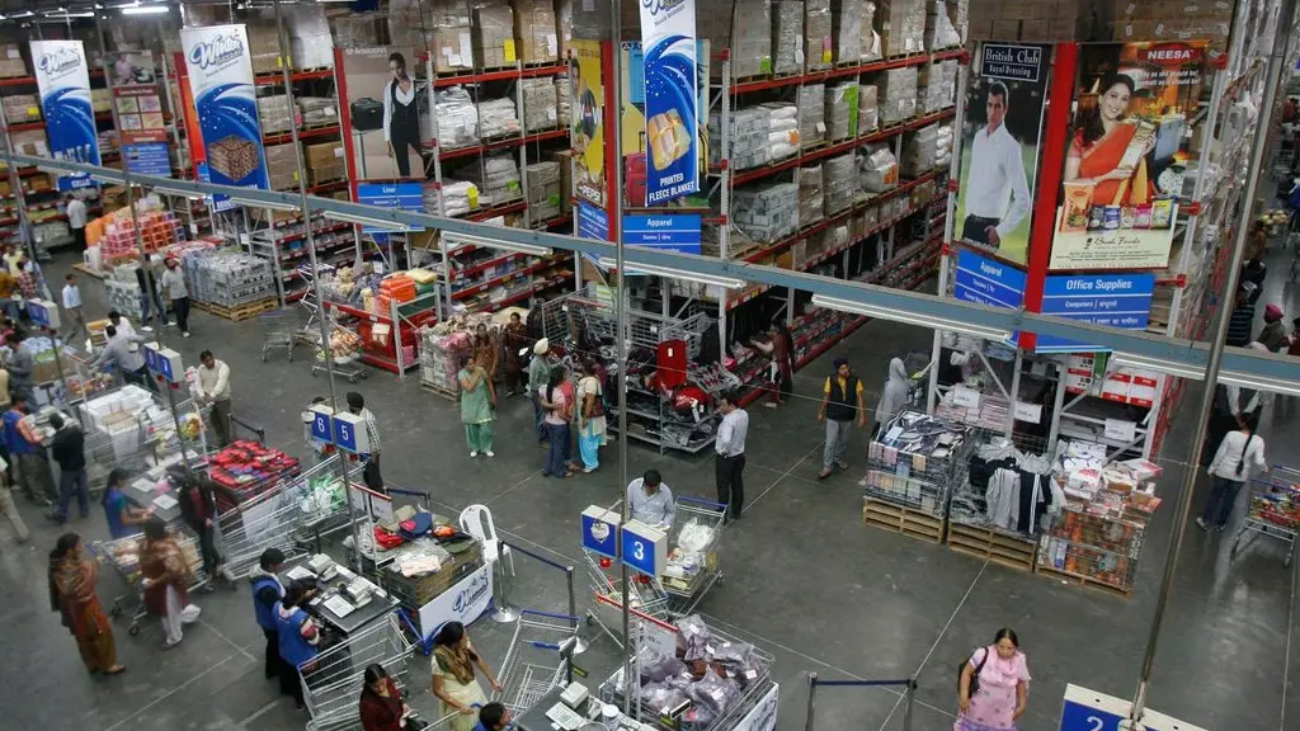
According to official sources, tax collection from the retail sector saw an unprecedented rise in FY 2024–25, driven by improved enforcement, digital integration, and targeted measures to document the informal economy. The FBR intensified its crackdown on non-registered businesses, expanded the scope of Point-of-Sale (POS) integration, and launched awareness campaigns to improve compliance.

However, even with this marked improvement in retail tax revenue, the FBR missed its broader revenue target agreed with the IMF by a narrow margin. The shortfall is attributed to underperformance in other sectors, delays in policy implementation, and slower-than-expected economic recovery in certain areas.

The IMF had set ambitious revenue targets as part of its ongoing Extended Fund Facility (EFF) program with Pakistan, which includes conditions aimed at improving tax-to-GDP ratios, reducing fiscal deficits, and enhancing the efficiency of tax collection systems.

FBR officials, while acknowledging the shortfall, pointed to structural reforms and modernization efforts underway that are expected to yield stronger results in the coming quarters. These include the development of a centralized digital ecosystem, improved data analytics for risk-based auditing, and expansion of the POS network to cover more retail outlets nationwide.

In a recent statement, Prime Minister Shehbaz Sharif reaffirmed the government’s commitment to meeting its revenue goals, emphasizing that sustainable economic growth requires a transparent and effective tax system. He also directed the FBR to accelerate efforts to broaden the tax base and reduce reliance on indirect taxes.

Economists have praised the FBR’s progress in retail sector compliance but warn that consistent underachievement of IMF targets could affect the country’s macroeconomic stability and access to future tranches under the loan program.

The government is expected to present a revised revenue plan in its upcoming review meetings with IMF officials, focusing on policy adjustments and administrative improvements to stay on track with the fund’s expectations.